

Entering is only allowed on paths and tracks.
Nur langsam können sich moortypische Pflanzengesellschaften nach der Renaturierung wieder entwickeln.
The nature reserve no longer resembles the classic raised bog landscape. Much of the area is now covered by coniferous and deciduous forests. However, it is the swamp forest and waterlogged areas from which one can sense nature returning to its original state. Nevertheless, after an eventful past, Raakmoor is once again home to typical bog plants such as sphagnum moss, bog asphodel, heather and insectivorous sundew. Open water areas are home to bog arum, bladderworts and pondweed. The edges of the peatland are home to the bog-myrtle, which, while not rare, is renowned for its aromatic scent. The Vikings appreciated it as a flavouring for mead. The bluish-flowering marsh gentian is a delight to behold and provides a special habitat for wildlife.
The areas of the bog that are relatively poor in terms of both species and individuals are home to various specially adapted species. Of particular note are several endangered species found in Hamburg, including the moor frog, the common European adder, and various dragonfly species such as the colourful northern moss dragonfly and the elegant black hawker.
The ponds are home to breeding birds such as greylag and Canada geese, while visitors include trumpeting cranes, perfectly camouflaged woodcocks and striking kingfishers. The exotic mandarin duck can also be spotted regularly in the rainwater retention basin. In the water, a trained eye can spot carp, rudd, tench, perch and pike, to name a few.
In spring, the songs of willow warblers, wood warblers and wrens can be heard in the wooded areas, where Eurasian goshawks and northern ravens also breed. The Raakmoor is home to many mammals, including common species such as roe deer and foxes, as well as more elusive species such as pine martens, polecats and common shrews. The secretive harvest mouse likes to build its nest amongst the moor grass. The raccoon dog, which originates from East Asia but has become established here in recent years, has also been recorded.
Furthermore, the Raakmoor is home to several endangered butterfly species. The last known population of the Lungwort Blue in Hamburg became extinct in 2012. However, the beautiful but easily overlooked Green Hairstreak, Large Chequered Skipper and Speckled Wood have been regularly observed in recent years, and all three species are listed on Hamburg’s Red List of Threatened Species.
| Location | Germany - Hamburg - Hamburg |
| Website | https://www.hamburg.de/politik-und-verwaltung/behoerden/bukea/themen/naturschutz/naturschutzgebiete/raakmoor-73938 |
| Area | 33.25ha |
| Year of foundation | 1979 |
| IUCN Category | IV |
| DtP ID | b36dce05-4aec-480c-aa53-32452fa5f0b9 |
| Name and division |
Freie und Hansestadt Hamburg; Behörde für Umwelt, Klima, Energie und Agrarwirtschaft;
Naturschutz; Management der Hamburger Naturschutzgebiete, Biotopverbund |
| Website | https://www.hamburg.de/naturschutz/ |
| Address |
Show address Hide address
Neuenfelder Straße 19
21109 Hamburg Germany |
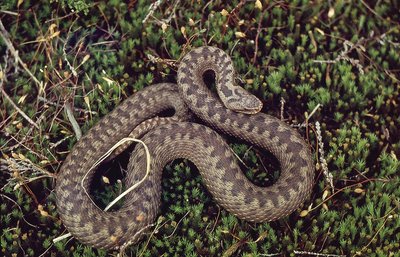
Fauna
Die giftige Kreuzotter findet im Gebiet mit seinen Mooren, Heiden und Zwergstrauchvegetation, ihren idealen Lebensraum. Besonders wichtig sind dabei kleinstrukturierte Bereiche mit zahlreichen Versteckmöglichkeiten und sonnigen Plätzen, die zum Aufwärmen dienen. Ihre Beute besteht überwiegend aus Kleinsäugern wie Feld- und Spitzmäusen, aber auch Frösche und Eidechsen stehen auf ihrem Speiseplan.
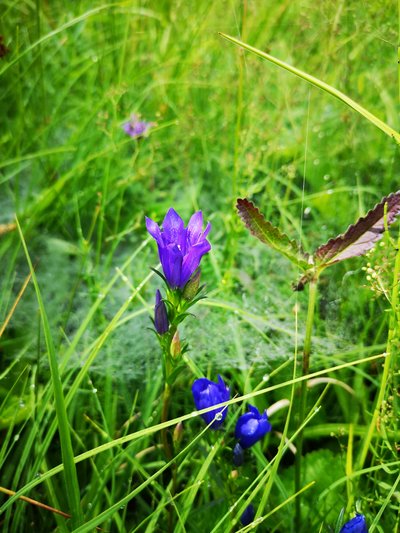
Flora
Der Lungen-Enzian (Gentiana pneumonanthe) ist eine seltene und in Deutschland stark gefährdete Pflanzenart, die vor allem in nährstoffarmen Mooren und Feuchtwiesen vorkommt. Charakteristisch sind seine tiefblauen, glockenförmigen Blüten, die meist im Spätsommer erscheinen. Die Art ist auf einen stabilen Wasserhaushalt und offene, wenig verbuschte Standorte angewiesen und reagiert empfindlich auf Entwässerung und Nutzungsänderungen. Daher gilt der Lungen-Enzian als wichtiger Indikator für intakte Moor- und Feuchtlebensräume.
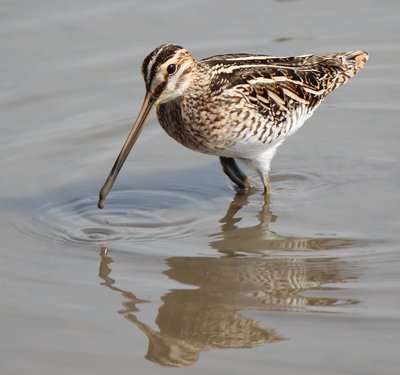
Fauna
Die Bekassine wird dank ihrer merkwürdigen (an Meckern erinnernden) Geräusche beim Balzflug auch "Himmelsziege" genannt. Sie ist ein sehr früher Gast und kommt bereits ab März zurück aus ihren Überwinterungsgebieten im Mittelmeerraum und Afrika oder sie überwintert sogar bei uns. Auch die Bekassine baut ihre Nester direkt am Boden und ernährt sich v.a. von Würmern und Insekten.
Flora
Flora
Habitat
Fauna
Flora
Fauna
Flora
Flora
Entering is only allowed on paths and tracks.

Motor vehicles are forbidden.

Swimming is forbidden.

Camping is forbidden.

Air sport (starting and landing) is forbidden.
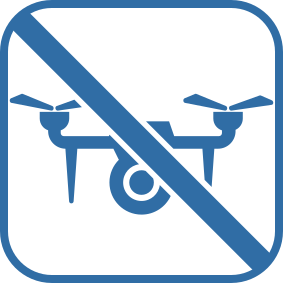
Drones and model aircraft are forbidden.

Disposing of waste is forbidden.

Going to the toilet is forbidden.

Fire is forbidden.

Dogs must be kept on a leash.

Cutting or injuring trees is forbidden.

Collecting plants is forbidden.

Mushroom collecting is forbidden.

Collecting minerals and fossils is forbidden.

Fishing is forbidden.

Bathing animals is forbidden.
June 21, 2004