
Entering the area is only allowed on designated paths.
Mitten im Jenischpark liegt das Tal der Flottbek und ist die einzige noch vorhandene tidebeeinflusste Talaue in Hamburg.
The vegetation zones of the landscape depend on the tidal backwater of the Elbe River. The area closest to the Elbe and therefore most exposed to the tidal range is covered with willows (softwood floodplain forest). In higher areas, a floodplain dominated by reeds spreads out, which is particularly beautiful when in bloom. To the west of the floodplain, ash and beech forests stand on the ridges and slopes. Finally, in the north of the Flottbek Valley, where flooding from the Elbe tide hardly ever occurs, there is an alder population interspersed with plants from the open parkland.
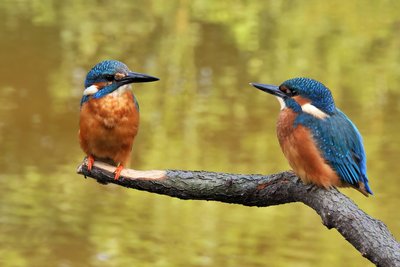
Due to the small size of the area, the fauna is not specialised and represented by all species found in the park landscape. The wet meadows of the Flottbek Valley attract insectivores, providing them with ideal feeding grounds. These include bats and birds that are no longer so common in the Hamburg area, such as the icterine warbler and typical warblers. In the park itself, tawny owls, European green woodpeckers and nightingales are noteworthy breeding birds. A particularly beautiful representative of the wildlife along the stream is the common kingfisher.
| Location | Germany - Hamburg - Hamburg |
| Website | https://www.hamburg.de/politik-und-verwaltung/behoerden/bukea/themen/naturschutz/naturschutzgebiete/nsg-flottbektal-172840 |
| Area | 7.90ha |
| Year of foundation | 1982 |
| IUCN Category | IV |
| DtP ID | 6bd1384a-e752-46ba-8c47-a1f7dfd28a00 |
| Name and division |
Freie und Hansestadt Hamburg; Behörde für Umwelt, Klima, Energie und Agrarwirtschaft;
Naturschutz; Management der Hamburger Naturschutzgebiete, Biotopverbund |
| Website | https://www.hamburg.de/naturschutz/ |
| Address |
Show address Hide address
Neuenfelder Straße 19
21109 Hamburg Germany |
Fauna
Der Eisvogel (Alcedo atthis) ist die einzige in Mitteleuropa vorkommende Art aus der Familie der Eisvögel. Er besiedelt weite Teile Europas, Asiens sowie das westliche Nordafrika und lebt an mäßig schnell fließenden oder stehenden, klaren Gewässern mit Kleinfischbestand und Sitzwarten. Seine Nahrung setzt sich aus Fischen, Wasserinsekten (Imagines und Larven), Kleinkrebsen und Kaulquappen zusammen. Nähere Infos: https://www.lubw.baden-wuerttemberg.de/natur-und-landschaft/eisvogel
Fauna
Entering the area is only allowed on designated paths.
Camping is forbidden.
Air sport (starting and landing) is forbidden.
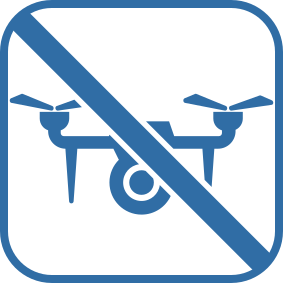
Drones and model aircraft are forbidden.

Disposing of waste is forbidden.

Going to the toilet is forbidden.

Fire is forbidden.

Dogs must be kept on a leash.

Smoking is forbidden.
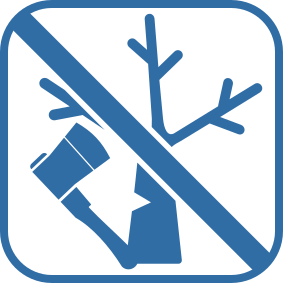
Cutting or injuring trees is forbidden.

Collecting plants is forbidden.

Mushroom collecting is forbidden.

Collecting minerals and fossils is forbidden.
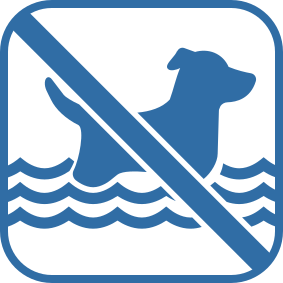
Bathing animals is forbidden.
June 1, 1982