Entering off the beaten path is forbidden.
Von Mitte August bis Anfang September blühen die Heideflächen und machen einen Spaziergang zu einem besonderen Erlebnis.
The landscape is rich in special biotope types such as wet and dry heathland, lowland and deciduous forest, nutrient-poor grassland, spring moors and forest meadows. This is why there is also a wide variety of plants that have specialised in the different habitats. The characteristic plant of the Fischbeker Heath is the dwarf shrub species broom heath (so called because the plants were used to make brooms). Around 300 different animal species live exclusively in, on and around the extensive broom heath: beetles, insects and – with the largest population in Hamburg – the sand lizard. On fine days, these reptiles can often be seen sunbathing or hunting in the heath bushes along the edges of the paths.
| Location | Germany - Hamburg - Hamburg |
| Website | https://www.hamburg.de/politik-und-verwaltung/behoerden/bukea/themen/naturschutz/naturschutzgebiete/nsg-fischbeker-heide-173266 |
| Area | 7.62km² |
| Year of foundation | 1992 |
| IUCN Category | IV |
| DtP ID | 7ce65613-6edc-4142-b6c0-8fd3cb78bf6e |
| Name and division |
Freie und Hansestadt Hamburg; Behörde für Umwelt, Klima, Energie und Agrarwirtschaft;
Naturschutz; Management der Hamburger Naturschutzgebiete, Biotopverbund |
| Website | https://www.hamburg.de/naturschutz/ |
| Address |
Show address Hide address
Neuenfelder Straße 19
21109 Hamburg Germany |
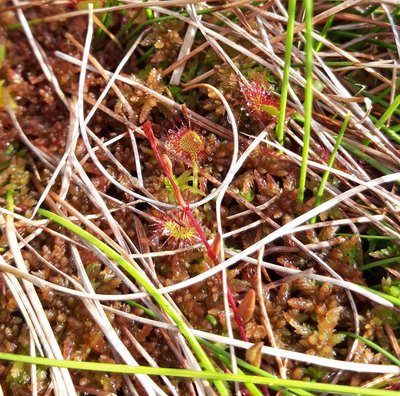
Flora
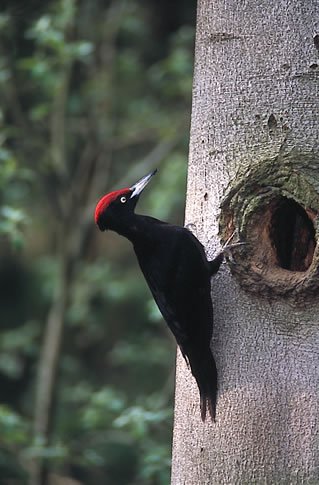
Fauna
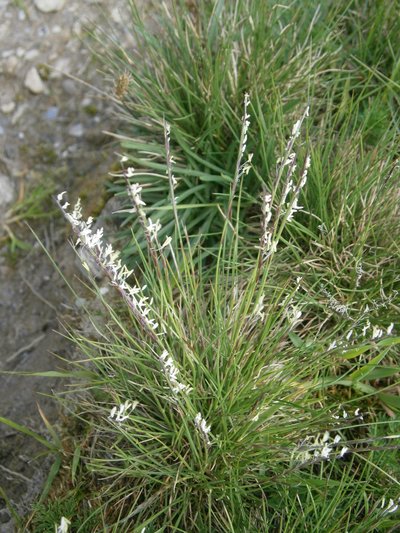
Flora
Habitat
Habitat
Habitat
Flora
Habitat
Flora
Flora
Flora
Fauna
Fauna
Habitat
Entering off the beaten path is forbidden.


Cycling is only allowed on designated paths.

Horse riding is only allowed on designated paths.

Motor vehicles are only allowed on designated paths.
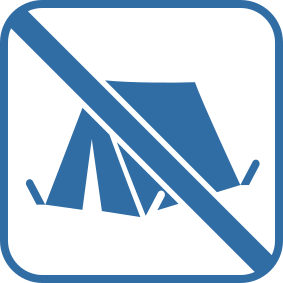
Camping is forbidden.
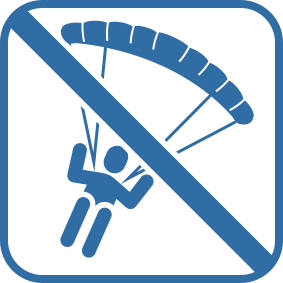
Air sport (starting and landing) is forbidden.
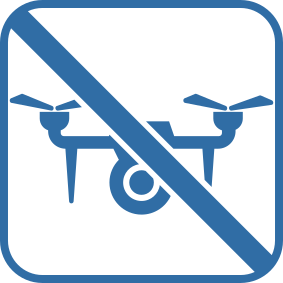
Drones and model aircraft are forbidden.
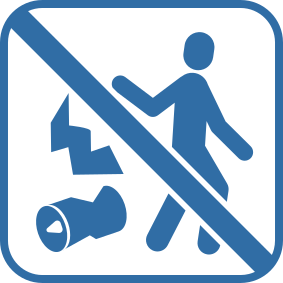
Disposing of waste is forbidden.

Fire is only allowed at designated locations from 1 January to 31 December.

Dogs on a leash are allowed.
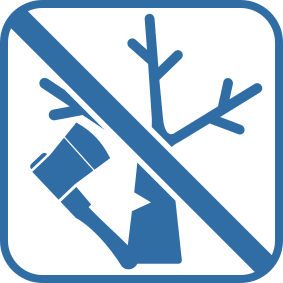
Cutting or injuring trees is forbidden.

Collecting plants is forbidden.

Mushroom collecting is forbidden.

Collecting minerals and fossils is forbidden.
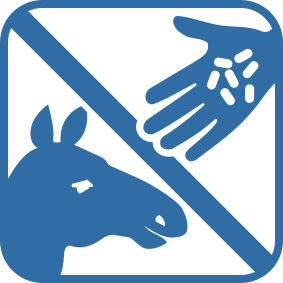
Feeding animals is forbidden.
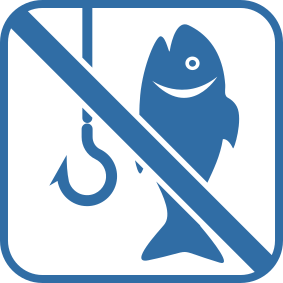
Fishing is forbidden.
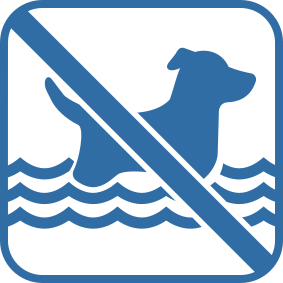
Bathing animals is forbidden.