

Entrer est uniquement autorisé sur les chemins et sentiers.
Cette plateforme a été traduite avec l’aide de l’IA. Si vous remarquez des erreurs, les contributions de la communauté sont les bienvenues ; veuillez nous écrire à platform@digitizetheplanet.org.
The approximately 67-hectare Vollhöfner Weiden nature reserve, located in the Harburg district, will continue to be home to a ‘wild forest’ that will develop undisturbed. Designating Vollhöfner Weiden as a nature reserve ensures that the forest will continue to develop naturally in future. The forest areas are subject to the nature conservation strategy of process protection. As the trees grow older, the nature reserve will become more structurally diverse and valuable. Alongside the dominant forests, there are also valuable reed beds, silver grass meadows, and sunny riparian vegetation.
The forest in the protected area is not only an impressive green ‘primeval forest’ with a unique landscape, but also an important habitat for specialised and endangered animals and plants. Various species of riparian forest plants grow here that are listed in Hamburg's Red List (RL HH), such as the endangered broad-leaved ragwort (RL HH 3; vulnerable), the marsh sowthistle (RL HH 2; endangered) and the elongated sedge (RL HH 3; vulnerable). The highly valuable floodplain area of the Old Southern Elbe, with its many fallen trees, is a prime habitat for kingfishers, common toads and the weatherfish. The endangered bird species penduline tit inhabits willow bushes and riparian woodlands along large rivers, streams and backwaters. Their nesting cavities, made from plant wool, animal hair and leaf fibres, can be easily spotted at the branch tips of trees and bushes in the Vollhöfner Weiden. The fact that more and more wilderness can be developed undisturbed in the nature reserve also means the number of trees in which bats can find shelter is increased. Due to their complex biotope structure, the Vollhöfner Weiden provide a year-round habitat for local bat populations and, due to their proximity to the Elbe, are important for migratory species. Outside the forest, pioneer woodlands and semi-ruderal grasslands are being converted into dry grasslands. Targeted measures are being implemented to protect habitats that are important for many rare and endangered species. Dry grasslands provide valuable habitats for plant and animal species that have adapted to nutrient-poor, dry conditions.
| Emplacement | Allemagne - Ville-État de Hambourg - Hamburg |
| Site Web | https://www.hamburg.de/politik-und-verwaltung/behoerden/bukea/themen/naturschutz/naturschutzgebiete/vollhoefner-weiden-1022020 |
| Zone | 67,30ha |
| Année de fondation | 2025 |
| Catégorie UICN | IV |
| DtP ID | be1f3199-2122-4ff7-8ad3-908b793d727d |
| Nom et division |
Freie und Hansestadt Hamburg; Behörde für Umwelt, Klima, Energie und Agrarwirtschaft;
Naturschutz; Management der Hamburger Naturschutzgebiete, Biotopverbund |
| Site Web | https://www.hamburg.de/naturschutz/ |
| Adresse |
Afficher l'adresse Masquer l'adresse
Neuenfelder Straße 19
21109 Hamburg Allemagne |
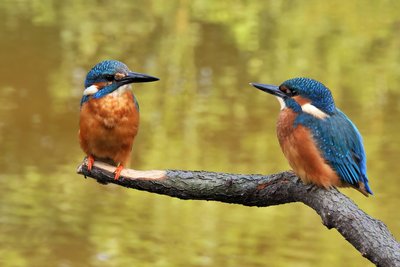
Faune
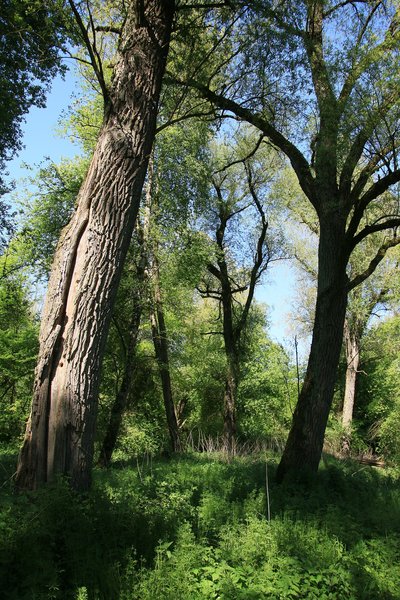
Habitat
Faune
Faune
Faune
Faune
Faune
Faune
Faune
Entrer est uniquement autorisé sur les chemins et sentiers.

Utiliser des véhicules motorisés est interdit.

Camper est interdit.

Jeter des déchets est interdit.

Aller aux toilettes est interdit.

Allumer un feu est interdit.

Promener des chiens est interdit.

Abattre ou blesser des arbres est interdit.

Cueillir des plantes est interdit.

Ramasser des champignons est interdit.

Ramasser des minéraux ou des fossiles est interdit.
18 février 2025