Sortir des sentiers est interdit.
La traduction française de cette plateforme a été créée avec l’aide de l’IA. Si vous remarquez des erreurs, les contributions de la communauté pour l’améliorer sont les bienvenues ; veuillez nous envoyer un e-mail à platform@digitizetheplanet.org.
In den Uferbereichen zwischen den Deichen erstrecken sich große Röhrichtflächen und Auenwülder.
This includes parts of the northern Elbe, the Dove Elbe below the Tatenberg lock and the entire tidal foreshore consisting of reeds and valuable riparian forests right up to the foot of the dyke. Due to the force of the tides and the tidal range of up to 3.5 metres, the shape of the foreshore is subject to constant change. This means that only highly specialised, adaptable animal and plant species can live here permanently. The floodplains are home to a number of rare and protected plant and animal species. A colony of great cormorants has developed here, and common golden orioles, white-tailed eagles and penduline tits are frequent visitors. It is considered an important refuge, feeding, spawning and breeding ground for around 40 species of fish.
| Emplacement | Allemagne - Ville-État de Hambourg - Hamburg |
| Site Web | https://www.hamburg.de/politik-und-verwaltung/behoerden/bukea/themen/naturschutz/naturschutzgebiete/auen-norderelbe-173134 |
| Zone | 2,45km² |
| Année de fondation | 2010 |
| Catégorie UICN | IV |
| DtP ID | 9829363d-94e4-4748-869a-8ea428dacdea |
| Nom et division |
Freie und Hansestadt Hamburg; Behörde für Umwelt, Klima, Energie und Agrarwirtschaft;
Naturschutz; Management der Hamburger Naturschutzgebiete, Biotopverbund |
| Site Web | https://www.hamburg.de/naturschutz/ |
| Adresse |
Afficher l'adresse Masquer l'adresse
Neuenfelder Straße 19
21109 Hamburg Allemagne |
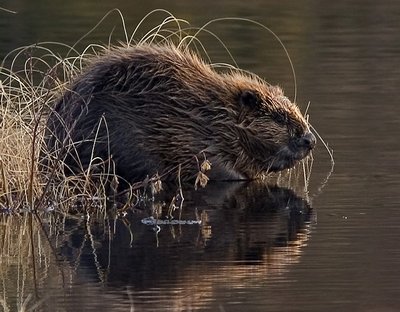
Faune
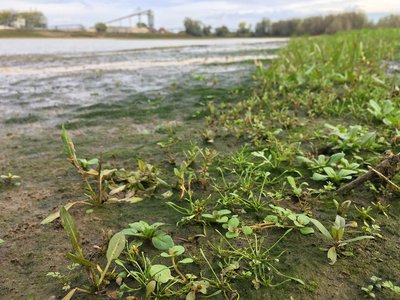
Habitat
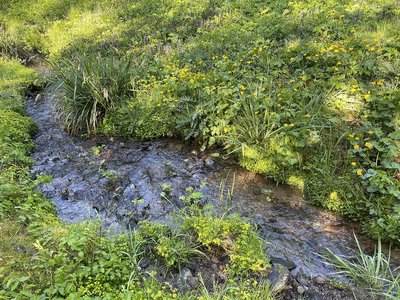
Habitat
Habitat
Faune
Faune
Sortir des sentiers est interdit.
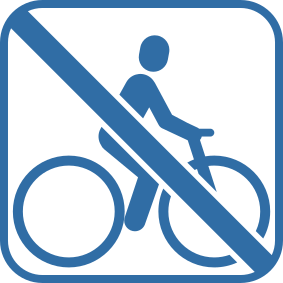
Faire du vélo est interdit.
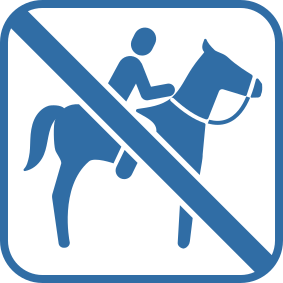
Faire de l’équitation est interdit.
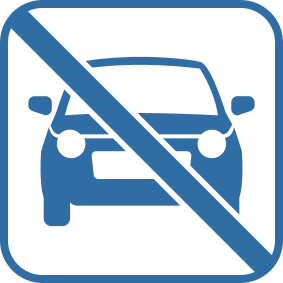
Utiliser des véhicules motorisés est interdit.
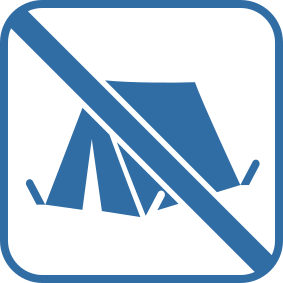
Camper est interdit.
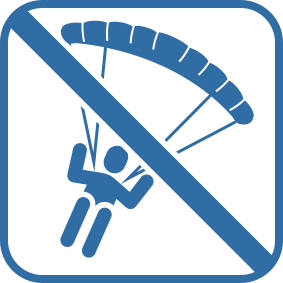
Décoller ou atterrir pour pratiquer un sport aérien est interdit.
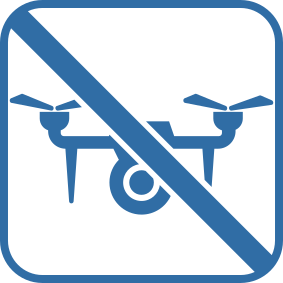
Faire voler des drones ou des modèles réduits est interdit.
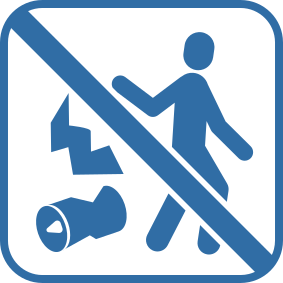
Jeter des déchets est interdit.

Aller aux toilettes est interdit.

Promener des chiens est interdit.

Allumer un feu est interdit.
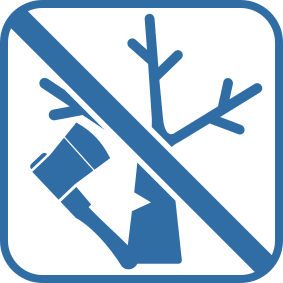
Abattre ou blesser des arbres est interdit.

Cueillir des plantes est interdit.

Ramasser des champignons est interdit.

Ramasser des minéraux ou des fossiles est interdit.
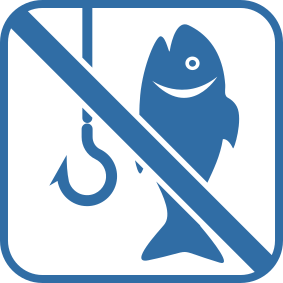
Pêcher est interdit.
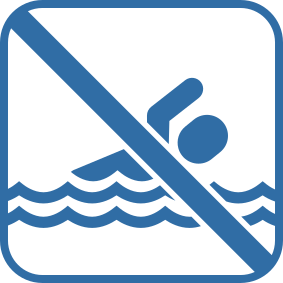
Se baigner est interdit.
16 février 2010