
Vstupování je povoleno pouze na cestách a stezkách.
Tato platforma byla přeložena s pomocí umělé inteligence. Pokud si všimnete chyb, uvítáme příspěvky komunity; napište nám prosím na platform@digitizetheplanet.org.
Das Wittmoor ist sowohl in Hamburg als auch in Schleswig-Holstein ein Naturschutzgebiet.
In fact, Wittmoor offers what is probably the most impressive view of a former bog in Hamburg. Many individual plant remains can still be seen at the edges of the mighty peat layers, which are up to three metres high.
Raised bogs are quite species-poor due to the extreme acidification of their soil. Only true specialists can survive alongside the peat moss that dominates the landscape. Birch trees, myrica gale and blueberries grow at the edges; the wet areas of the bog lakes are characterised by bog bean, marsh cinquefoil, bog asphodel and beaked sedge. Beak-sedge, hare's-tail cottongrass, cranberries and various other dwarf shrubs can be found on the raised bog block.
The acidic nature of the raised bog soil means that Wittmoor has a low species and individual count. Earthworms, leeches, woodlice and molluscs are mostly absent. However, certain species of dragonfly, such as the large white-faced darter, the moorland hawker and the black and ruddy darter, are abundant. Grass frogs and moor frogs have returned to areas that have become rewetted.
Viviparous lizards, grass snakes and common European adders are once again common in Wittmoor. Notable bird species include the willow warbler, tree pipit and yellowhammer, which nest throughout the dried-out moorland areas. Common teals breed in the small moor ponds. Bird species typical of raised bogs, such as black grouse and Eurasian curlew, have disappeared from Wittmoor due to their sensitivity to disturbance. Eurasian goshawks and common kestrels like to hunt in the treeless areas, and during migration periods, Eurasian woodcocks, wood sandpipers and green sandpipers can also be observed.
| Poloha | Germany - Hamburg - Hamburg |
| Webové stránky | https://www.hamburg.de/politik-und-verwaltung/behoerden/bukea/themen/naturschutz/naturschutzgebiete/wittmoor-173228 |
| Území | 2,12km² |
| Rok založení | 1997 |
| Kategorie IUCN | IV |
| DtP ID | 21e88369-6858-44d6-b4a1-e5830e10db65 |
| Název a oddělení |
Freie und Hansestadt Hamburg; Behörde für Umwelt, Klima, Energie und Agrarwirtschaft;
Naturschutz; Management der Hamburger Naturschutzgebiete, Biotopverbund |
| Webové stránky | https://www.hamburg.de/naturschutz/ |
| Adresa |
Zobrazit adresu Skrýt adresu
Neuenfelder Straße 19
21109 Hamburg Německo |
Stanoviště
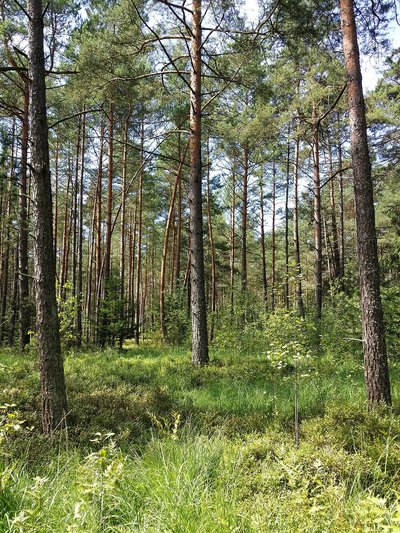
Diese Wälder sind maßgeblich durch einen hohen Grundwasserspiegel geprägt und von Bulten und Schlenken, dystrophen Gewässern oder Torfmoospolstern durchsetzt.
Stanoviště
Fauna
Die Große Moosjungfer beansprucht naturnahe Lebensräume aus schwach sauren bis neutralen, besonnten Moorgewässern oder Heideweihern, die ausreichend mit Wasserpflanzen bedeckt sind.
Fauna
De Kammmolch benötigt ganzjährig wasserführende Gewässerkomplexe mit einem hohen Flachwasseranteil, die sonnig liegen, reich an Wasserpflanzen sind und einen geringen Fischbestand aufweisen. Zudem müssen Sommer- und Winterhabitate erreichbar sein, die u.a. aus strukturreichen Uferzonen, Bruchwäldern und Brachflächen als Nahrungs-, Aufwuchs- und Laichgebiet bestehen.
Flóra
Fauna
Stanoviště
Naturnahe Moore, die von Torfablagerungen geprägt und von Regenwasser abhängig sind. Es handelt sich um gehölzarme Hochmoorreste, die von Hochmoorvegetation besiedelt und noch regenerationsfähig sind. Generell herrscht hier eher eine Nährstoffarmut, an die sich Flora und Fauna angepasst haben.
Flóra
Vstupování je povoleno pouze na cestách a stezkách.


Ježdění na koni je povoleno pouze na vyhrazených cestách.

Plavání je zakázáno.
Táboření je zakázáno.

Vzlétnutí a přistání při leteckých sportech je zakázáno.
Používání dronů a modelů letadel je zakázáno.
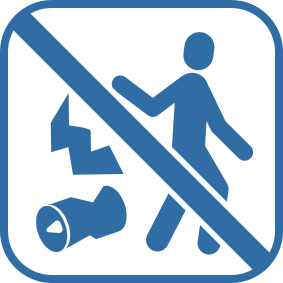
Odkládání odpadu je zakázáno.
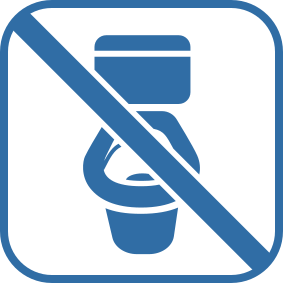
Vykonávání tělesné potřeby je zakázáno.

Rozdělávání ohně je zakázáno.

Psi musí být na vodítku.
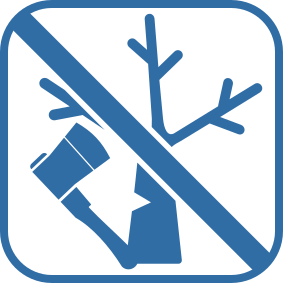
Kácení nebo poškozování stromů je zakázáno.

Sbírání rostlin je zakázáno.

Sbírání hub je zakázáno.

Sbírání minerálů a fosilií je zakázáno.
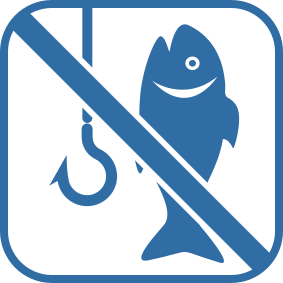
Rybaření je zakázáno.

Koupání zvířat je zakázáno.