
Vstupování do území je zakázáno.
Tato platforma byla přeložena s pomocí umělé inteligence. Pokud si všimnete chyb, uvítáme příspěvky komunity; napište nám prosím na platform@digitizetheplanet.org.
Im Zentrum des Moores liegt ein nährstoffarmer Weiher, der bereits in der letzten Eiszeit geschaffen wurde.
A small area of cross-leaved heather in the swamp forest is of particular note, although it has to compete with rapidly spreading moor grass. Within the Schleswig-Holstein area lies a larger meadow pond of particular importance to wildlife.
The outskirts of the nature reserve are used for agriculture, with pasture and cultivated land divided by hedgerows. The intensive cultivation of the latter in the Schleswig-Holstein area is having a negative impact on the peatland's native vegetation. Fertilising the agricultural land leads to high nutrient levels in the central area of the nature reserve, resulting in the loss of the typical peatland soil conditions: peatland plants, which are adapted to nutrient-poor soil, are now rarely found.
However, there are many other species in this area. Among the 194 plant species are also some rare and endangered ones, such as marsh pennywort and marsh cinquefoil, which are found in the transitional zones of the peatland pond. Water plantains, water knotweed and water forget-me-nots are found in the silted-up zones, while sedges such as acute, tufted, carnation, beaked and bladder sedges dominate the sedge marsh area. A notable feature is the cross-leaved heather found in the floodplain forest of the Schleswig-Holstein part of the nature reserve.
The same applies to the fauna as to the flora: species characteristic of peatlands are rarely found here. Of the ten grasshopper species identified in the nature reserve, for example, only the short-winged conehead, Roesel's and the bog bush cricket are typical of wetlands. The fifteen dragonfly species recorded here are not typical of peatlands either; they inhabit a non-specialised, widespread habitat.
The birdlife of the nature reserve is both diverse and abundant, boasting 55 species. The variety of habitat types, such as water bodies, grassland and hedgerows, sedge marshes, willow thickets and swamp forests, is the reason for this. The reserve is also a popular spot for rare species to forage and rest during their migration. Notable species found at and around the Hamburg Moorweiher (pond) include the Eurasian teal, the northern shoveler, the western marsh harrier and the little grebe. The Wiesentümpel on the Schleswig-Holstein side is frequented by common snipes, wood sandpipers, western yellow wagtails, lapwings, redshanks and common and little ringed plovers.
| Poloha | Germany - Hamburg - Hamburg |
| Webové stránky | https://www.hamburg.de/politik-und-verwaltung/behoerden/bukea/themen/naturschutz/naturschutzgebiete/nsg-stapelfeld-173460 |
| Území | 29,11ha |
| Rok založení | 1978 |
| Kategorie IUCN | IV |
| DtP ID | 20574383-baaf-4a1d-9889-8d1e229318b6 |
| Název a oddělení |
Freie und Hansestadt Hamburg; Behörde für Umwelt, Klima, Energie und Agrarwirtschaft;
Naturschutz; Management der Hamburger Naturschutzgebiete, Biotopverbund |
| Webové stránky | https://www.hamburg.de/naturschutz/ |
| Adresa |
Zobrazit adresu Skrýt adresu
Neuenfelder Straße 19
21109 Hamburg Německo |
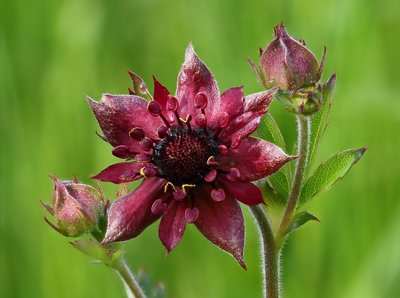
Flóra
Das Sumpf-Blutauge ist eine ausdauernde krautige Pflanze, die Wuchshöhen von 20 bis 70 Zentimeter erreicht
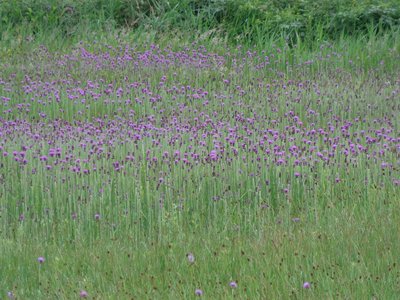
Stanoviště
Auf Pfeifengraswiesen wechseln sich feuchte und zeitweise trockenere Bodenverhältnisse ab. Zwischen den Gräsern wachsen viele Wiesenblumen, die mit wenig Nährstoffen auskommen. Solche Wiesen entstanden häufig durch eine besondere Nutzung: Man mähte sie erst spät im Jahr und verwendete das trockene Pflanzenmaterial als Einstreu im Stall. Diese späte Mahd gibt vielen Pflanzen Zeit, zu blühen und Samen zu bilden. Werden die Flächen entwässert, gedüngt oder gar nicht mehr gemäht, verändert sich ihre Pflanzenwelt. Der Wasserhaushalt und eine schonende Nutzung erhalten deshalb den blütenreichen Wiesencharakter.
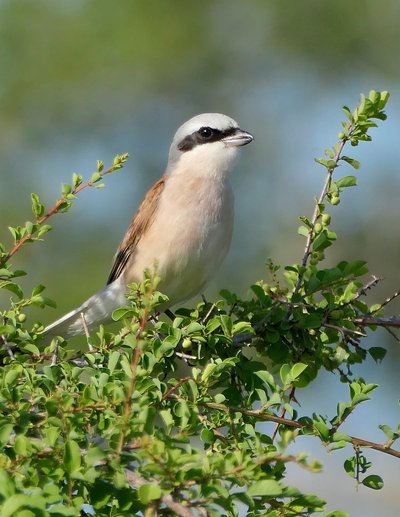
Fauna
Der Neuntöter beansprucht für sein Brutgebiet Lebensräume aus reich strukturierten Hochstaudenfluren, Hecken und Gebüschen.
Flóra
Flóra
Fauna
Vstupování do území je zakázáno.