

Vstupování je povoleno pouze na cestách a stezkách.
Tato platforma byla přeložena s pomocí umělé inteligence. Pokud si všimnete chyb, uvítáme příspěvky komunity; napište nám prosím na platform@digitizetheplanet.org.
Nur langsam können sich moortypische Pflanzengesellschaften nach der Renaturierung wieder entwickeln.
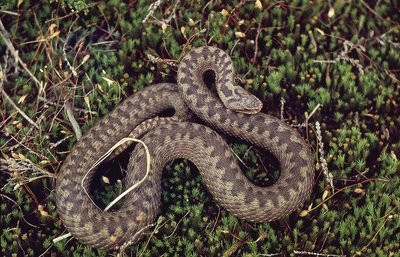
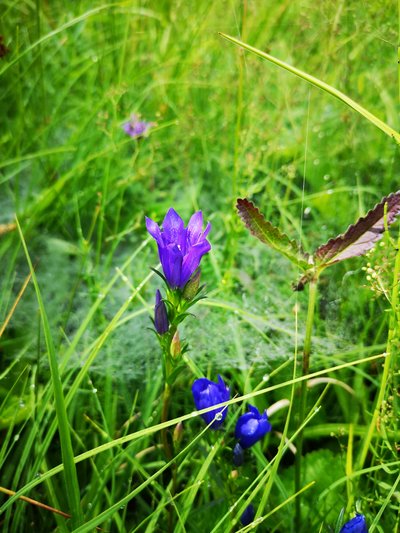
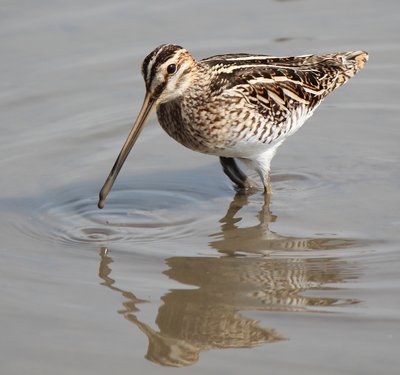
The nature reserve no longer resembles the classic raised bog landscape. Much of the area is now covered by coniferous and deciduous forests. However, it is the swamp forest and waterlogged areas from which one can sense nature returning to its original state. Nevertheless, after an eventful past, Raakmoor is once again home to typical bog plants such as sphagnum moss, bog asphodel, heather and insectivorous sundew. Open water areas are home to bog arum, bladderworts and pondweed. The edges of the peatland are home to the bog-myrtle, which, while not rare, is renowned for its aromatic scent. The Vikings appreciated it as a flavouring for mead. The bluish-flowering marsh gentian is a delight to behold and provides a special habitat for wildlife. The areas of the bog that are relatively poor in terms of both species and individuals are home to various specially adapted species. Of particular note are several endangered species found in Hamburg, including the moor frog, the common European adder, and various dragonfly species such as the colourful northern moss dragonfly and the elegant black hawker. The ponds are home to breeding birds such as greylag and Canada geese, while visitors include trumpeting cranes, perfectly camouflaged woodcocks and striking kingfishers. The exotic mandarin duck can also be spotted regularly in the rainwater retention basin. In the water, a trained eye can spot carp, rudd, tench, perch and pike, to name a few. In spring, the songs of willow warblers, wood warblers and wrens can be heard in the wooded areas, where Eurasian goshawks and northern ravens also breed. The Raakmoor is home to many mammals, including common species such as roe deer and foxes, as well as more elusive species such as pine martens, polecats and common shrews. The secretive harvest mouse likes to build its nest amongst the moor grass. The raccoon dog, which originates from East Asia but has become established here in recent years, has also been recorded. Furthermore, the Raakmoor is home to several endangered butterfly species. The last known population of the Lungwort Blue in Hamburg became extinct in 2012. However, the beautiful but easily overlooked Green Hairstreak, Large Chequered Skipper and Speckled Wood have been regularly observed in recent years, and all three species are listed on Hamburg’s Red List of Threatened Species.
| Poloha | Germany - Hamburg - Hamburg |
| Webové stránky | https://www.hamburg.de/politik-und-verwaltung/behoerden/bukea/themen/naturschutz/naturschutzgebiete/raakmoor-73938 |
| Území | 33,25ha |
| Rok založení | 1979 |
| Kategorie IUCN | IV |
| DtP ID | b36dce05-4aec-480c-aa53-32452fa5f0b9 |
| Název a oddělení |
Freie und Hansestadt Hamburg; Behörde für Umwelt, Klima, Energie und Agrarwirtschaft;
Naturschutz; Management der Hamburger Naturschutzgebiete, Biotopverbund |
| Webové stránky | https://www.hamburg.de/naturschutz/ |
| Adresa |
Zobrazit adresu Skrýt adresu
Neuenfelder Straße 19
21109 Hamburg Německo |
Fauna
Flóra
Fauna
Flóra
Flóra
Stanoviště
Fauna
Flóra
Fauna
Flóra
Flóra
Vstupování je povoleno pouze na cestách a stezkách.

Používání motorových vozidel je zakázáno.

Plavání je zakázáno.

Táboření je zakázáno.

Vzlétnutí a přistání při leteckých sportech je zakázáno.
Používání dronů a modelů letadel je zakázáno.

Odkládání odpadu je zakázáno.

Vykonávání tělesné potřeby je zakázáno.

Rozdělávání ohně je zakázáno.

Psi musí být na vodítku.

Kácení nebo poškozování stromů je zakázáno.

Sbírání rostlin je zakázáno.

Sbírání hub je zakázáno.

Sbírání minerálů a fosilií je zakázáno.

Rybaření je zakázáno.

Koupání zvířat je zakázáno.
21. června 2004