
Vstupování je povoleno pouze na cestách a stezkách.
Tato platforma byla přeložena s pomocí umělé inteligence. Pokud si všimnete chyb, uvítáme příspěvky komunity; napište nám prosím na platform@digitizetheplanet.org.
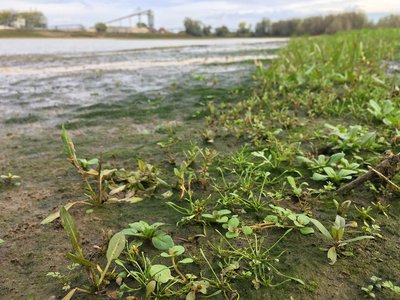
Botanische Raritäten wie die Wiebelsschmiele und der Schierlings-Wasserfenchel wachsen weltweit nur noch im Süßwassertidegebiet der Elbe.
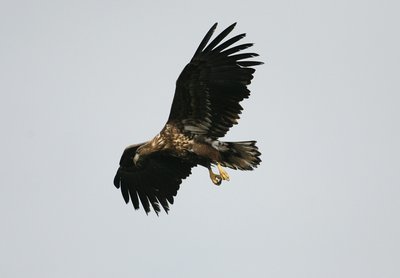
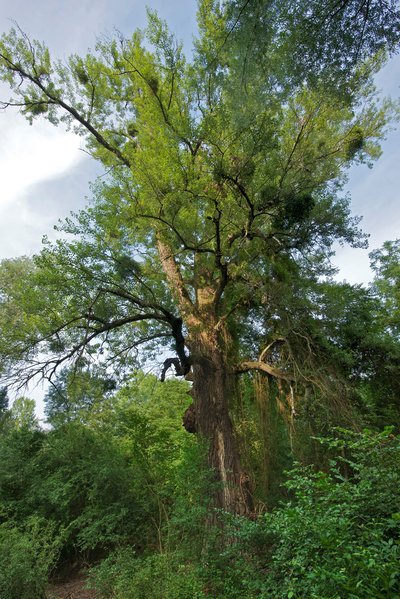
The landscape's defining feature is the branching area of the Elbe, formed by the post-glacial rise in sea level and the subsequent tidal backwater. After the end of the Ice Age, this area became a marshy, aquatic wilderness with extensive floodplain forests. The riparian zone, a remnant of this area, stretches for around four kilometres and up to 400 metres wide on both sides of the Elbe to this day. A wide variety of differently specialised plants have established themselves between the reed beds and the riparian forest. The two nature reserves are generally considered to be among the most species-rich areas in Hamburg, with around 700 species having been recorded here. These include rare plants such as a hair grass species (Deschampsia wibeliana) and Oenanthe conioides. Today, both plants can only be found in the freshwater tidal zone of the Elbe. In areas that flood rarely, marsh marigolds bloom across the low-growing meadows in spring, before being outgrown by reeds in summer. Above the reed beds, reed canary grass sometimes covers large areas of poorer soil, while dense nettle thickets dominate the more nutrient-rich sections. In places where floodplain forests and reed beds were once cultivated across large areas and meadows developed into pastureland, the now rare snake's head fritillary grows. The fauna is just as diverse as the flora and has adapted to the different vegetation zones within the nature reserve. The daily ebb and flow of the tide shapes the vast reed bed habitat. Many species of bird use the impenetrable tangle of reeds as a breeding ground, a place to rest and hide. An army of spiders, beetles, flies, lice, mites and butterflies lives on and in the reeds. This provides the birds with an abundant supply of food. Large birds such as storks and great bitterns come here in search of food. Hidden well in the reeds, the grey heron lies in wait, while the cormorant perches on tree stumps, keeping a sharp watch for prey fish. In winter, titmice, wrens, robins and dunnocks also migrate here to feed. Most bird species prefer the Heuckenlock, which resembles a jungle, as a breeding ground or refuge, as it has suffered less human interference than Schweenssand over the years.
| Poloha | Germany - Hamburg - Hamburg |
| Webové stránky | https://www.hamburg.de/politik-und-verwaltung/behoerden/bukea/themen/naturschutz/naturschutzgebiete/heuckenlock-schweenssand-173158 |
| Území | 88,30ha |
| Rok založení | 1977 |
| Kategorie IUCN | IV |
| DtP ID | f34af33a-12ba-41e5-a6d1-75cb0b9df342 |
| Název a oddělení |
Freie und Hansestadt Hamburg; Behörde für Umwelt, Klima, Energie und Agrarwirtschaft;
Naturschutz; Management der Hamburger Naturschutzgebiete, Biotopverbund |
| Webové stránky | https://www.hamburg.de/naturschutz/ |
| Adresa |
Zobrazit adresu Skrýt adresu
Neuenfelder Straße 19
21109 Hamburg Německo |
Fauna
Flóra
Stanoviště
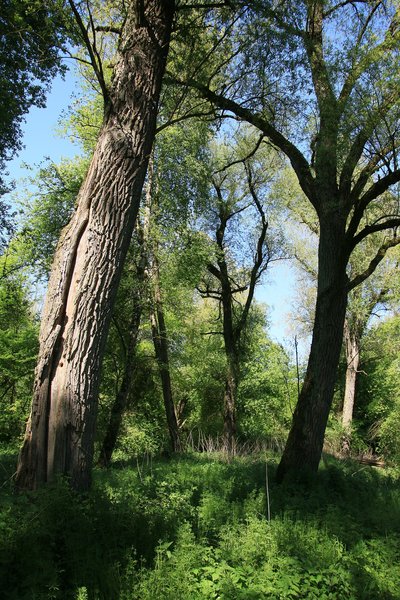
Stanoviště
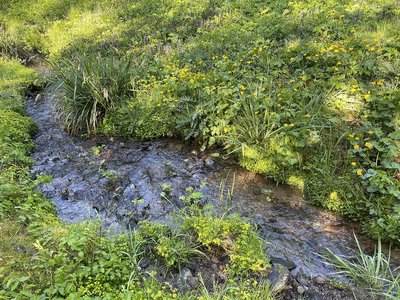
Stanoviště
Flóra
Flóra
Flóra
Flóra
Fauna
Fauna
Flóra
Fauna
Fauna
Flóra
Vstupování je povoleno pouze na cestách a stezkách.
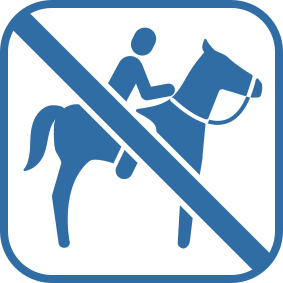
Ježdění na koni je zakázáno.

Plavání je zakázáno.
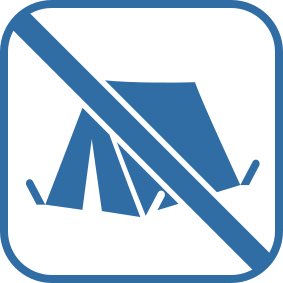
Táboření je zakázáno.

Vzlétnutí a přistání při leteckých sportech je zakázáno.
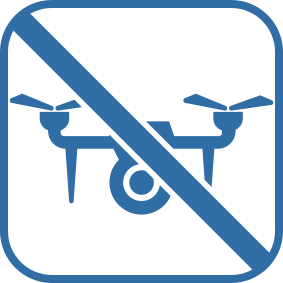
Používání dronů a modelů letadel je zakázáno.

Odkládání odpadu je zakázáno.

Vykonávání tělesné potřeby je zakázáno.

Rozdělávání ohně je zakázáno.

Psi musí být na vodítku.
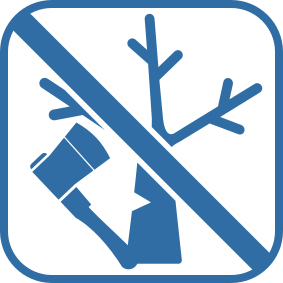
Kácení nebo poškozování stromů je zakázáno.

Sbírání rostlin je zakázáno.

Sbírání hub je zakázáno.

Sbírání minerálů a fosilií je zakázáno.
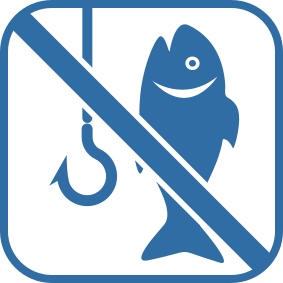
Rybaření je zakázáno.

Koupání zvířat je zakázáno.
19. července 1977